
The Search for Something Real: Why Mass-Market Wine is Losing Its Grip
Staring at a massive wall of wine bottles in a grocery store can feel incredibly draining. Rows upon rows of identical labels promise the world, but more often than not, they deliver a generic, chemically adjusted flavor profile designed to please everyone and thrill no one. If you are tired of factory-made blends and want a bottle that actually tells a story, you are looking for a vinous adventure. You are looking for boutique wineries.
| LEVO VINEYARDS | [Small-Batch / Tin City, CA] |
| TERROIR-DRIVEN BLENDS
• Bold Rhône Varietals • Handcrafted Micro-Lots |
EXCLUSIVE INSIDER ACCESS
• Allocated Drops • Club Cultivation |
Before we look at the estates leading the charge, here is what you need to know about the state of independent winemaking today:
Why Artisanal Wine Producers Rule the Modern Palate
The global wine landscape has shifted dramatically. Industry data reveals a massive surge in wine lovers abandoning mass-market brands in favor of low-intervention, small-batch wines. Wine enthusiasts no longer want uninspired, industrial filler on their dinner tables; they want to know the hands that sorted the grapes and the maverick vision that drove the fermentation.
The Danger of Industrial Consistency
Mass-produced wines rely heavily on technological manipulation, industrial additives, and heavy oak aging to ensure a bottle purchased in New York tastes identical to one opened in London. Boutique wineries reject this corporate blueprint entirely. By choosing a smaller producer, you embrace the unpredictable beauty of the harvest, resulting in a deeper, more personal connection to the liquid story in your glass.
5 Boutique Wineries You Need to Discover
1. Levo Vineyard (Paso Robles, California)
Nestled in the rugged, limestone-rich soils of the Willow Creek District, Paso Robles, Levo Vineyard is a boutique winery born from a raw passion for bold winemaking without a traditional pedigree. Rejecting mass-market templates, Levo focuses strictly on crafting limited-production Rhône varietal wines — including world-class Syrah, Grenache, and Petite Sirah—alongside experimental small-batch blends.
| Step 1: The Foundation | Step 2: The Craft | Step 3: The Experience |
| Willow Creek Terroir
Limestone-rich soils and rugged coastal microclimates. |
Handcrafted Micro-Lots
Low-intervention fermentation and raw passion. |
Tin City Tasting Room
Direct-to-consumer urban wine pouring. |
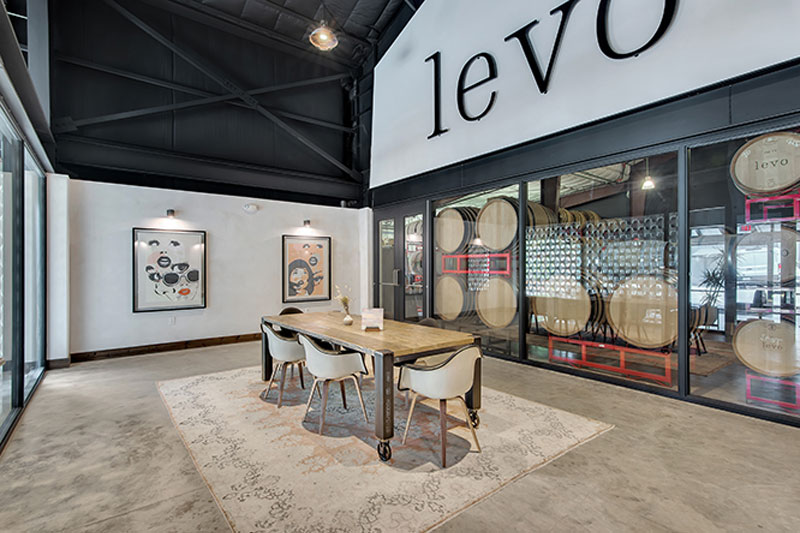
Instead of chasing retail distribution channels, Levo shares these intense, deeply expressive wines directly with an adventurous community of wine lovers through its Paso Robles wine club and its vibrant, urban Tin City Paso Robles wine tasting room. It is an uncompromised, authentic look at what happens when you treat winemaking as an evolving art form.
- Location: Tin City, Paso Robles, CA 93446
- Specialty: Head-turning Rhône blends and single-varietal expressions
- Vibe: Creative, intentional, and entirely unpretentious
2. Domaine Tempier (Bandol, France)
You cannot discuss legendary artisanal wine producers without paying homage to the absolute benchmark of the Bandol region. Domaine Tempier proved to the world that Mourvèdre could create deeply complex, structurally magnificent wines capable of aging for decades.
- Terroir Focus: Steep, sun-drenched terraced vineyards over clay-limestone soils.
- The Experience: Intensely earthy, wild, and structured red wines that demand a spot at your dinner table.
3. Ochota Barrels (Adelaide Hills, Australia)
The Australian wine scene was turned on its head by moving away from over-extracted, heavily oaked fruit bombs. Ochota Barrels focuses instead on organic farming, early picking for bright natural acidity, and minimal handling in the cellar.
- Winemaking Philosophy: Native yeast fermentations, whole-bunch pressing, and zero adjustments.
- The Profile: Light, vibrant, energetic Grenache and Syrah that showcase a completely different side of Southern Australia.
4. Pax Wine Cellars (Sonoma Coast, California)
Pax Mahle is a true pioneer of the New California wine movement. While mainstream California went big and buttery, Pax looked to the cool coastal breezes of Sonoma to make old-school, whole-cluster Syrah.
- Craftsmanship: Utilizing concrete vats, foot-treading, and neutral French oak.
- The Result: Savory, pepper-forward, and remarkably food-friendly wines that stand completely apart from standard West Coast offerings.
5. Sadie Family Wines (Swartland, South Africa)
Eben Sadie has spent decades uncovering old, forgotten bush vines across the Western Cape. His meticulous stewardship of the land has single-handedly elevated South Africa’s Swartland into a global hotspot for world-class, terroir-driven blends.
- Production Style: Extremely limited allocations, focusing heavily on old-vine Chenin Blanc and Mediterranean red blends.
- Character: Unbelievably textured, complex, and deeply reflective of ancient soils.
The Insider Route: Securing Allotted Bottlings
| TASTING ROOM VISITS | ONLINE ALLOCATIONS |
| • Direct-from-barrel insight
• Meet the independent winemakers • Access tasting-room-only micro-lots |
• First access to exclusive new drops
• Cellar-direct shipping to your door • Guaranteed allocation protection |
Because true boutique wineries prioritize quality over high yields, their annual production is naturally constrained. You will rarely find these bottles sitting on corporate supermarket shelves. To get your hands on these unique expressions before they sell out, you need to change how you shop:
- Join the Inner Circle: The most distinctive, small-batch releases are held back almost exclusively for members. Joining a curated Paso Robles wine club guarantees your seasonal allocation before public release windows open.
- Buy Directly Online: Skip the distributor intermediaries. When you buy Paso Robles wine online directly from the estate’s digital storefront, you can be sure the bottle has been stored in temperature-controlled perfection while supporting independent, artisanal wine producers.
- Visit the Source: Immersing yourself in an authentic tasting experience—like visiting our creative cellar space for a Tin City Paso Robles wine tasting—allows you to experience raw, low-intervention blends in their native element and secure rare bottles poured exclusively at the bar.
Frequently Asked Questions
What makes a winery “boutique”?
Boutique wineries are characterized by their small-scale production, often producing fewer than 5,000 to 10,000 cases annually. They prioritize handcrafted quality, minimal intervention, and specific terroir expressions over mass commercial consistency.
Why are small-batch wines often harder to find?
Because artisanal wine producers place strict limits on production to maintain quality, their yields are naturally low. These bottles sell out quickly and are primarily distributed directly through the winery’s online store, wine club allocations, or tasting rooms rather than large commercial retail networks.
What are Rhône varietals?
Originating from France’s Rhône Valley, Rhône varietals thrive in the Willow Creek District‘s limestone-rich terrain. This group of grapes includes powerful reds such as Petite Sirah, Syrah, and Grenache, as well as fragrant white varieties like Viognier and Grenache Blanc.
Elevate Your Glass
The bottom line is that life is too short to drink mass-produced, soulless wine. True vinous luxury is found in the bottles that bear the fingerprint of their origin, crafted by producers who respect the natural cadence of the vineyard.
If you are ready to break out of the corporate wine rut and experience what authentic, limited-production winemaking feels like, take an adventure into the world of small-batch bottles.
Ready for Your Next Wine Adventure?
Explore our latest small-batch Rhône varietal wines, learn about our commitment to the land, or secure your spot in our exclusive inner circle.
Recent Comments